Open Mind Counselling
Empowering you to live authentically one step at a time
About me
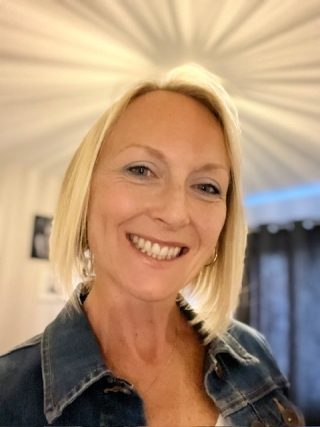
Hello, I'm Sara.
After experiencing a profound loss that changed the course of my life, alongside relationship breakdowns and supporting my own child through an ADHD diagnosis, I came to understand how deeply our past can shape us—often in ways we don’t fully recognise at the time.
Through my own experience of counselling and personal growth, I began to make sense of these challenges and develop a clearer understanding of who I am. This journey allows me to truly empathise with the difficulties you may be facing, and to appreciate how powerful it can be to have someone there to listen—someone who understands your unique perspective.
After a 20-year career in retail, I retrained and began volunteering with bereavement and mental health charities. These experiences strengthened my commitment to supporting others through difficult times. My work then led me into schools, starting within a specialist SEN provision supporting young people who were no longer able to access mainstream education. It was here that I developed a real passion for working with children and young people, going on to lead provision supporting social, emotional and mental health needs.
I have since worked within mainstream schools and currently work with the charity Little Lives Uk supporting schools across Dorset whilst developing inclusive SEN provision within these schools, helping to ensure that every individual feels understood, supported, and able to move forward.
You don’t have to face things alone.
My approach
I offer a safe, supportive and non-judgemental space where you can feel heard, accepted, and understood. At the heart of my work is building a trusting relationship, grounded in honesty and respect, where you are met exactly as you are.
I have experience supporting individuals with a range of challenges, including ADHD, autism, anxiety, depression, OCD, grief, eating disorders and trauma. I work in an integrative way, meaning I draw on a variety of approaches to suit you as an individual. This may include more traditional talking therapy, as well as creative or walk-and-talk sessions—adapting our work together to best support your needs.
My specialist areas are neurodivergence and eating disorders.
I work with adults, teenagers and children, offering sessions online, face-to-face, or within a school setting. I also have very lovely dogs Milly and Barney who if you wish can join us during our sessions. I understand that taking the first step can feel difficult, so I offer a free, no-obligation initial consultation. This gives us the opportunity to talk about what you’re looking for and for you to decide whether I’m the right fit for you.
People come to counselling for many different reasons. Some of the more common areas I support with include:
Stress and anxiety
Panic attacks
Relationship difficulties
Grief, loss and bereavement
Addiction
Trauma and post-traumatic stress
Depression
Confidence and self-esteem
Anger management
Issues relating to intimacy
SPEAK IN CONFIDENCE
I offer a safe, supportive space where you can talk openly and be truly heard. With empathy and without judgement, you are free to explore your thoughts and feelings at your own pace, in complete confidence.
A PROBLEM SHARED...
From relationship difficulties to anxiety, panic attacks or low mood, life can sometimes feel overwhelming—especially when you’re facing it on your own. Counselling provides a supportive space to explore what’s going on beneath the surface, helping you gain clarity, build understanding, and find a way forward that feels right for you.
MAKE BETTER CHOICES
Together, we can explore the challenges you’re facing, helping you understand your thoughts, feelings and reactions more clearly. This deeper awareness can support you in making healthier choices and moving forward with greater confidence and clarity.
Contact me
Feel free to contact me if you have any questions about how counselling works, or to arrange a free 15-minute call. This enables us to discuss the reasons you are thinking of coming to counselling, whether it could be helpful for you and whether I am the right person to help.
You can also call me on 07976 921998 if you would prefer to leave a message or speak to me first. I am happy to discuss any queries or questions you may have prior to arranging an initial appointment.
MY LOCATION
I offer face-to-face sessions in Bridgwater and Weston-super-Mare, both easily accessible from surrounding areas including Yeovil, Taunton, Wellington, Glastonbury and Street.
I also offer online sessions across the UK via Zoom, Teams and FaceTime. Please feel free to get in touch to find out more.
FEES & AVAILABILITY
Sessions are 50 minutes long and are charged at £60.
I believe it’s important that you feel in control of your counselling journey, so we can agree on a schedule that suits you—whether that’s weekly, fortnightly or monthly.
I also offer a free 15-minute initial call, giving you the opportunity to learn more about how I work and to ask any questions you may have.
Frequently asked questions
Is counselling confidential?
Yes, everything you share is kept confidential. The only exceptions are if there is a risk of harm to yourself or others, or if required by law.
What happens in a counselling session?
Sessions usually involve talking about what’s on your mind. Depending on need sometimes the session can involve creative elements like drawing or crafting. Your counsellor will listen, ask questions, and help you reflect and find ways to cope or move forward.
How many sessions will I need?
This varies depending on your needs. Some people attend a few sessions, while others choose longer-term support.
What if counselling doesn’t feel right for me?
You’re not obligated to continue. You can discuss your concerns with me, request a different counsellor, or stop at any time.
Do I need a diagnosis to get help?
No. You don’t need a formal diagnosis to seek support if you are concerned about food or issues related to any form of formal diagnosis.
Will you tell me what or how to eat?
Counselling focuses on emotional and psychological support. If needed, I may work alongside other professionals such as your GP to ensure that the support provided is in your best interest.
Resources
Signs & Symptoms of Eating Disorders
Common Emotional & Psychological Signs
- A person struggling with an eating disorder may experience:
- Intense fear of gaining weight
- Preoccupation with food, calories, dieting, or body shape
- Low self-esteem linked to appearance
- Perfectionism or harsh self-criticism
- Anxiety around meals or eating in front of others
- Feelings of guilt or shame after eating
- Mood swings, irritability, or withdrawal
- Difficulty concentrating
- Obsessive thoughts around exercise or “healthy eating”
- Feeling out of control around food
Common Behavioural Signs
- Some behaviours may include:
- Skipping meals or restricting food intake
- Avoiding social situations involving food
- Excessive exercise
- Frequent dieting or rigid food rules
- Binge eating episodes
- Purging behaviours such as vomiting or misuse of laxatives
- Eating secretly or hiding food
- Frequent checking of weight or body shape
- Wearing oversized clothing to hide the body
- Increased isolation from friends or family
Physical Signs & Symptoms
- Physical symptoms can vary depending on the individual and severity of the eating disorder.
- Possible signs include:
- Noticeable weight changes
- Fatigue or low energy
- Dizziness or fainting
- Difficulty sleeping
- Feeling cold frequently
- Hair thinning or hair loss
- Digestive problems
- Irregular periods or hormonal changes
- Dental problems from vomiting
- Muscle weakness
- Frequent illnesses due to lowered immunity
Eating Disorders Are Not Always Visible
Someone does not need to appear underweight to be struggling with an eating disorder.
Many people experience significant emotional distress and unhealthy eating behaviours without obvious physical signs.
Eating disorders can affect:
- Men and women
- Teenagers and adults
- People in larger bodies
- Athletes and professionals
- Neurodivergent individuals
- People from all cultural backgrounds
Different Types of Eating Disorders
- Anorexia Nervosa
- Often involves food restriction, fear of weight gain, and distorted body image.
- Bulimia Nervosa
- May involve cycles of binge eating followed by purging behaviours.
- Binge Eating Disorder (BED)
- Characterised by episodes of eating large amounts of food alongside emotional distress.
- OSFED (Other Specified Feeding or Eating Disorder)
- Describes eating difficulties that do not fit one specific diagnosis but still require support.
- Bigorexia
- Distortion of body image based on the idea that a person does not have large enough muscle defination
When to Seek Support
It may help to seek professional support if:
- Food or body image thoughts are affecting daily life
- Eating behaviours feel difficult to control
- Anxiety around food is increasing
- Self-esteem is strongly connected to appearance
- Eating difficulties are impacting relationships, work, or wellbeing
- Early support can make recovery easier and reduce long-term emotional and physical effects.
Support Resources
For additional support and information:
Signs of Neurodivergence
The following lists are not exhaustive and different for every individual.
Signs of Neurodivergence in Children
Attention & Focus
- Difficulty concentrating
- Becoming easily distracted
- Hyperfocus on specific interests
- Struggling to follow instructions
- Frequently forgetting things
Emotional Regulation
- Intense emotional reactions
- Meltdowns or shutdowns
- Difficulty managing frustration
- Sensitivity to change or transitions
- Anxiety in busy or unpredictable environments
Social & Communication Differences
- Difficulty understanding social cues
- Preferring solitary play
- Taking language very literally
- Challenges making or maintaining friendships
- Speaking in a very formal or advanced way for their age
Sensory Differences
- Sensitivity to noise, textures, lights, smells, or clothing
- Seeking sensory stimulation through movement or touch
- Becoming overwhelmed in crowded environments
Learning & Daily Functioning
- Difficulty organising tasks
- Struggling with routines
- Coordination difficulties
- Uneven learning abilities (very strong in some areas, struggling in others)
Possible Signs in Adults
Attention & Executive Functioning
- Difficulty managing time or staying organised
- Frequently forgetting appointments or tasks
- Starting projects but struggling to complete them
- Becoming overwhelmed by daily responsibilities
- Hyperfocus on interests or hobbies
Emotional Experiences
- Feeling emotionally overwhelmed easily
- Burnout from social or work demands
- Anxiety linked to overstimulation
- Strong sense of rejection or criticism sensitivity
- Chronic feelings of inadequacy or “not coping”
Social & Relationship Patterns
- Feeling different from others socially
- Difficulty reading social situations
- Exhaustion after social interaction
- Preferring predictable routines
- Masking behaviours to appear “normal”
Sensory & Environmental Sensitivities
- Strong reactions to noise, lighting, textures, or crowds
- Feeling drained in overstimulating environments
- Needing recovery time after busy situations
Work & Daily Life
- Difficulty prioritising tasks
- Procrastination despite good intentions
- Struggling with transitions or unexpected changes
- Feeling capable but inconsistent
- Burnout from maintaining high levels of effort
When to Seek Support
- Daily life feels consistently overwhelming
- You frequently experience burnout or exhaustion
- Emotional regulation feels difficult
- Relationships or work are being affected
- You have always felt “different” or misunderstood
- Your child is struggling emotionally, socially, or academically
A formal diagnosis is not required to explore support or counselling.
How Counselling Can Help
- Explore neurodivergent experiences
- Improve self-understanding
- Develop emotional regulation strategies
- Reduce shame and self-criticism
- Build self-esteem and confidence
- Support burnout recovery
- Create practical coping tools for everyday life
Therapy can also support parents navigating concerns about their child’s emotional wellbeing or development.





© Open Mind Counselling | Powered by WebHealer